Radiomaster XR1 Nano Multi-Frequency ExpressLRS Receiver – Dual Band
$27.87
$53.51
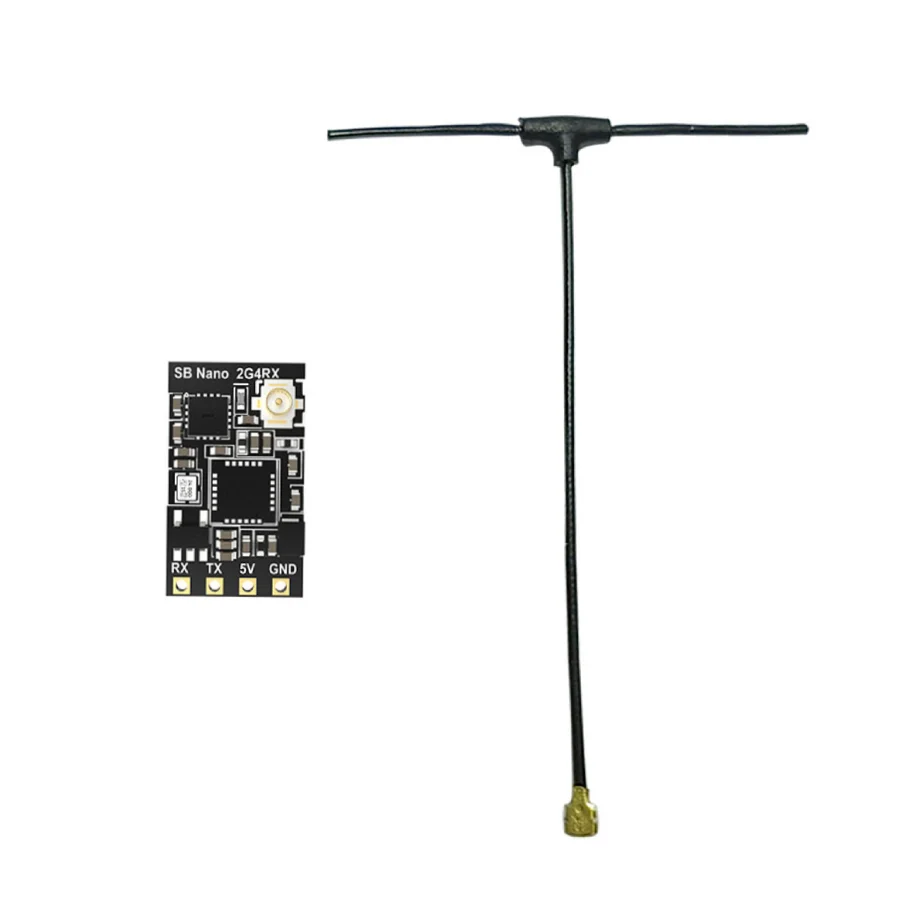
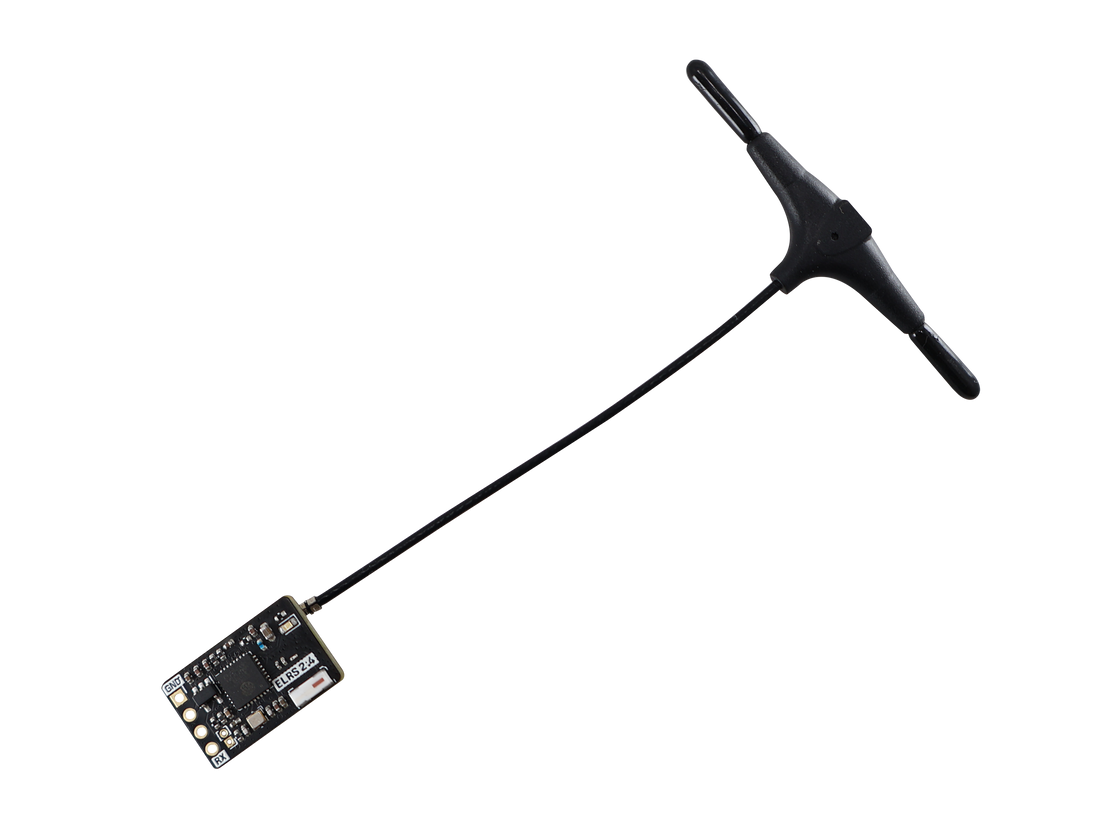
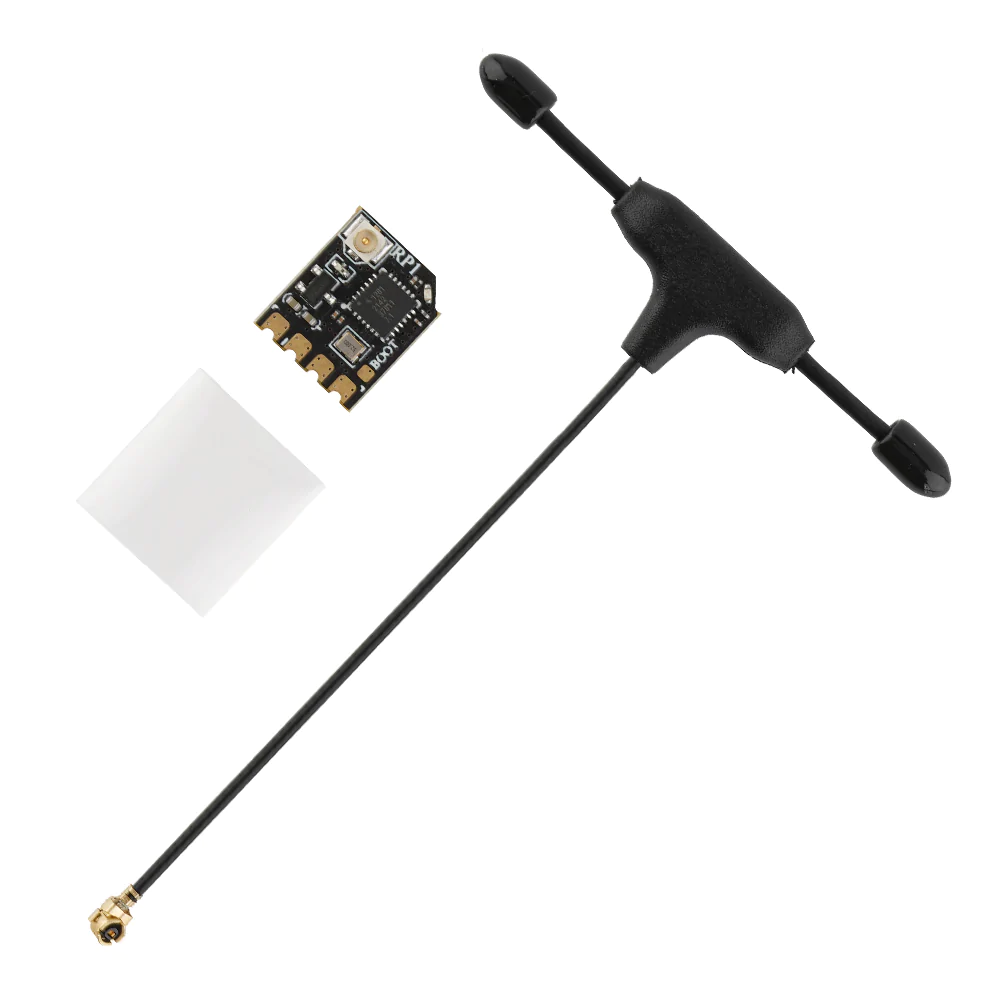
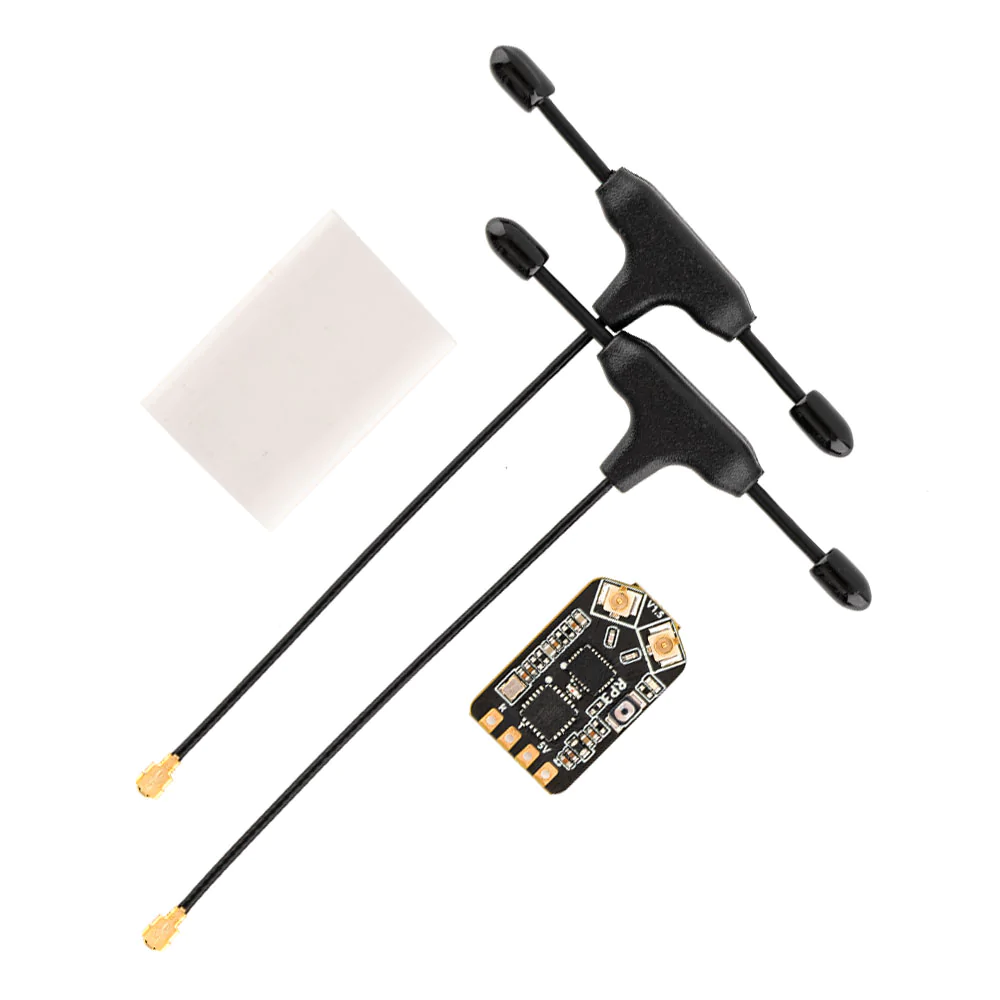
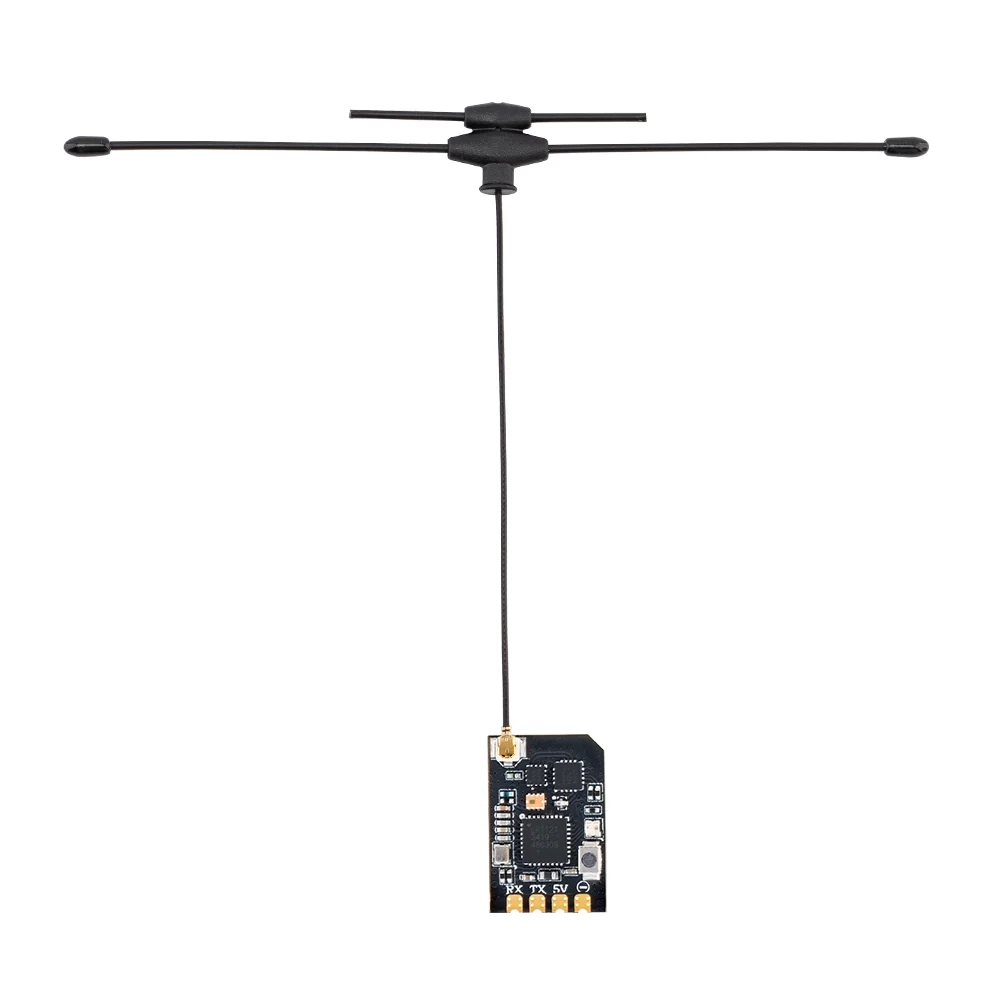
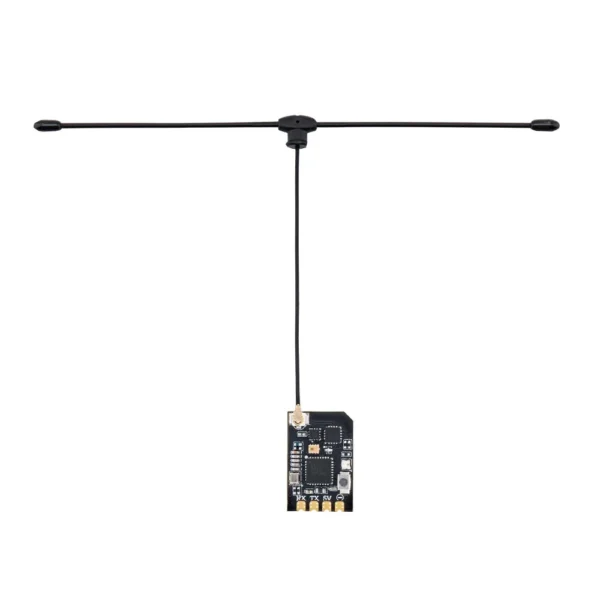
Radiomaster XR1 Nano Dual Band ExpressLRS ReceiverFeaturesTelemetry RF power: 100mWExpressLRS 2.4GHz or Sub-G 900MHzESP32C3 high-performance MCUSemtech LR1121 2.4GHz & Sub-G 900MHz TransceiverSecondary UART portCastled pads for easy solderingSpecificationItem: XR1 Nano Multi-Frequency ExpressLRS ReceiverType: ISM2.4 or FCC915MCU: ESP32C3RF chip: Semtech LR1121RF connector: IPEX-1Antenna: 1x T-Antenna (Either 2.4GHz, 900Mhz or Dual-band depending on selected package)Frequency Range: 2.4GHz or Sub-G 900MHzTelemetry Power: 100mWMaximum Packet rate: DK500Hz / K1000HzMinimum Packet refresh rate: 50HzWorking voltage: 5VWeight: 1.0g (without antenna)Dimension: 20mm * 13mm * 3mmFirmware Version: ExpressLRS v3.5.1 pre-installedFW Target: RadioMaster XR1 2.4/900 RXBus interface 1: CRSFBus interface 2: UARTTailored to Your NeedsThe XR1 Receiver is available in three configurations, ensuring you have the flexibility to meet your exact requirements: Choose between 2.4GHz, Sub-G 900MHz, or a Dual-Band antenna that allows switching between 2.4Ghz and 900Mhz without an antenna change! All antenna types are available as optional accessories so you can change frequency at a later stage without needing to purchase a new receiver!WeightDimensionsDownloadXR1 Receiver User ManualPackage Includes1 * XR1 Nano Multi-Frequency ExpressLRS Receiver1 * T Antenna (Either 2.4GHz, 900Mhz or Dual-band depending on selected package)1 * CRSF wire3 * Heat-Shrinkable Tube1 * Manual CardThe XR1 Nano from RadioMaster is an ultra-compact receiver designed for the open-source ExpressLRS (ELRS) system. It is available in variants supporting either 2.4 GHz, Sub-GHz (~900 MHz), or a dual‐band antenna option allowing both. The Dual-Band version gives flexibility between 2.4 GHz and Sub-GHz operation without changing the core receiver. RadioMaster RC 2readymaderc.com 2With dimensions of approximately 20 mm x 13 mm x 3 mm and a weight of around 1 g (without antenna), it is ideal for micro-builds or any model where space and weight are at a premium. readymaderc.com 1Key Features & What Makes It Stand OutMulti-Frequency / Dual-Band Capability: The XR1 supports either 2.4GHz or Sub-GHz (~900MHz) bands depending on variant, and the Dual-Band antenna variant supports both. motionrc.com 1Modern RF Chip & MCU: It uses the third generation Semtech LR1121 transceiver along with an ESP32C3 microcontroller, delivering strong sensitivity and modern performance. Oscar Liang 1High Telemetry Power: The telemetry RF power is rated at up to 100mW, which helps improve link robustness and feedback performance. RadioMaster RC 1Ultra-Compact Design: Its minimal footprint (20×13×3 mm) and very light weight (~1g without antenna) make it particularly suited for lightweight drones, micro builds or any craft where size/weight is critical. readymaderc.comConfiguration Convenience: Built-in WiFi (in some variants) enabling WebUI access for firmware updates and configuration. RadioMaster RCFlexible Antenna Options: Choose the antenna suitable to your build and band or use the dual-band version if you anticipate switching frequencies. motionrc.comTechnical Specifications SnapshotHere is a summary of the main specs for the XR1 Nano Dual-Band version:SpecificationDetailFrequency2.4 GHz or Sub-G ~900 MHz (depending on variant) Oscar Liang 1Telemetry RF Power100 mW RadioMaster RC 1Maximum Packet RateDK 500 Hz / K 1000 Hz (depending on mode/band) Oscar LiangMinimum Packet Rate50 Hz readymaderc.comWeight~1.0 g (without antenna) readymaderc.comDimensions~20 mm × 13 mm × 3 mm Oscar LiangConnectorIPEX-1 for antenna RadioMaster RCInterfacesCRSF bus secondary UART readymaderc.comFirmwareExpressLRS v3.5.x pre-installed (in many listings) readymaderc.comIdeal Use-CasesThis receiver is especially well-suited for the following scenarios:Micro drones, lightweight quadcopters, or minimal builds where every gram counts. The compact form factor is a major plus.Builds where you might want to switch between bands (2.4GHz vs Sub-GHz) depending on environment or regulatory region — the dual-band antenna option gives that flexibility.Pilots already within the ExpressLRS ecosystem who want a modern, future-capable receiver with strong performance and telemetry capability.Situations where space inside the frame is constrained (small frames, wings, tight builds) and a minimal receiver is beneficial.Considerations & What to CheckWhile the XR1 supports dual-band antenna options, it does not offer full dual-antenna diversity in the way some larger receivers do (i.e., two separate antenna ports for simultaneous bands). If you require full redundancy and dual-band simultaneous operation, you might consider higher-tier options. Oscar LiangEnsure you purchase the correct variant for your region: frequency allocation for Sub-GHz bands varies (for example 868 MHz vs 915 MHz) and regulatory rules may apply.Antenna placement remains critical: even though the receiver is compact, ensuring good antenna clearance, correct antenna type and orientation will impact performance significantly.The telemetry power and packet rate specifications are strong for this size, but actual range and link robustness will depend heavily on build quality, antenna setup, environment (RF noise), and regulatory limits.Final VerdictThe RadioMaster XR1 Nano Multi-Frequency ExpressLRS Receiver is a stellar choice for pilots seeking a compact, lightweight, multi-frequency capable receiver that doesn’t compromise on modern hardware, performance and flexibility. For micro quads, tight builds, or situations where you want to switch bands, it offers excellent value and capability.If you primarily fly in simple 2.4GHz environments and don’t need dual-band flexibility, there may be even lighter/simpler receivers available — but if you anticipate variability in build type, frequency band or environment, the XR1 Nano Dual-Band gives you strong future-proofing.Read More About Lipo Batteries by clicking the link below: https://oscarliang.com/fpv-drone-guide/Checkout our Frames Collection by clicking the link below: https://thefpvproject.com/product-category/frames/1S = 1 cell = 3.7V 2S = 2 cells = 7.4V 3S = 3 cells = 11.1V 4S = 4 cells = 14.8V 5S = 5 cells = 18.5V 6S = 6 cells = 22.2VFor example, we call a 14.8V battery a “4-cell” or “4S” battery.LiPo battery is designed to operate within a safe voltage range, from 3V to 4.2V. Discharging below 3V could cause irreversible performance loss and even damage to the battery. Overcharging above 4.2V could be dangerous and eventually cause a fire.However, it’s advisable to stop discharging when it reaches 3.5V for battery health reasons. For example for a 3S Lipo, the max voltage is 12.6V, and you should land when the voltage reaches 10.5V (at 3.5V per cell).